Madagascar wildlife tours
Our Madagascar wildlife tours take you to see lemurs, chameleons, rare endemic birds and baobab forests, with naturalist guides who know exactly where to look. Every trip is built around your interests and preferences, for wildlife enthusiasts and families alike, so you can visit Madagascar’s best wildlife sites at your own pace.
20+ years
of local expertise
100% Madagascar-based team
Responsible & sustainable travel
Experienced private driver-guides
On-the-ground
knowledge
Traveler reviews on TripAdvisor
Endemic wildlife & extraordinary landscapes
Why Madagascar’s wildlife is unique
Madagascar split from the other continents tens of millions of years ago, and its natural history took its own path. Isolated on a large island, its fauna and flora evolved into many species found nowhere else: more than 80% of the country’s animals and plants are endemic. From rich rainforests to the dry spiny forest of the south, Madagascar’s nature and landscapes change completely from one region to the next. This is what makes a Madagascar nature trip unlike any other on Earth.
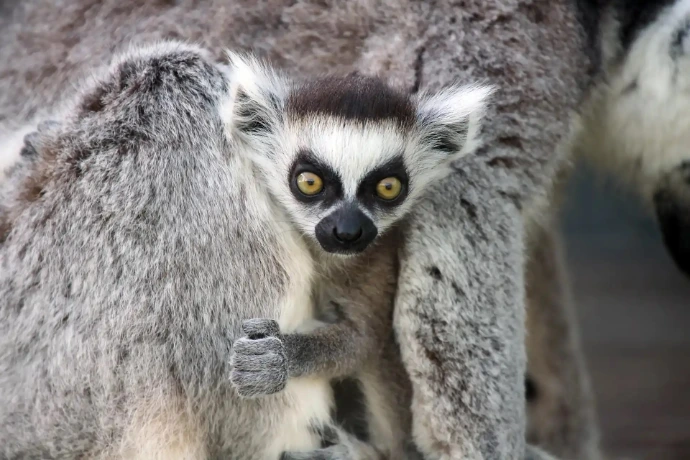
Lemurs
Primates found in the wild only on Madagascar, from the tiny mouse lemur to the indri, the largest living lemur.
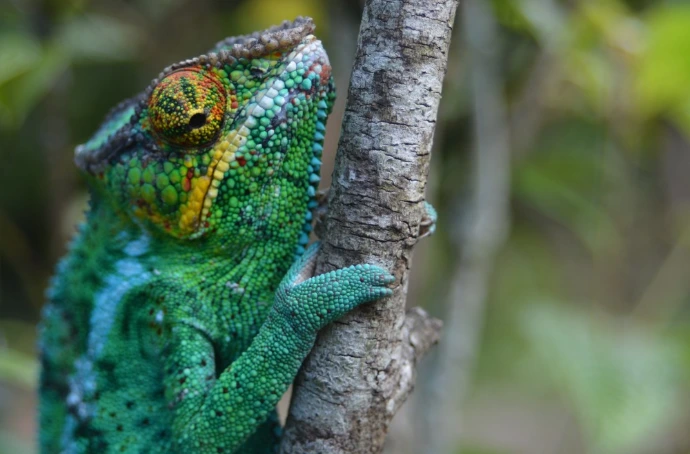
Chameleons
With close to half of the world’s species living on the island.
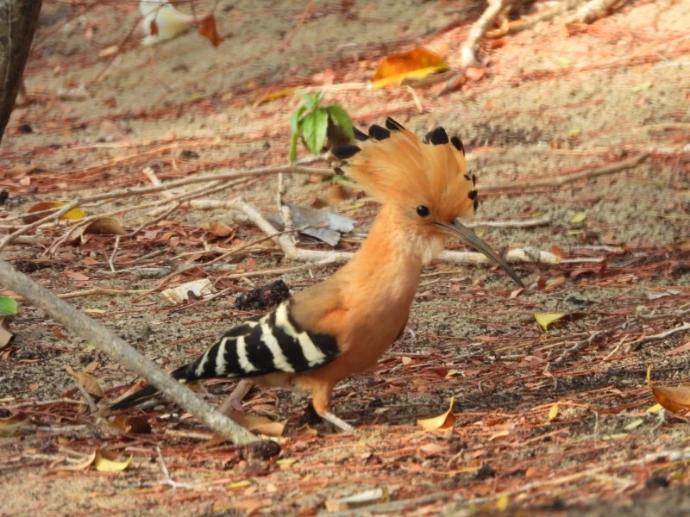
Endemic birds
Including vangas, couas, ground-rollers and asities.
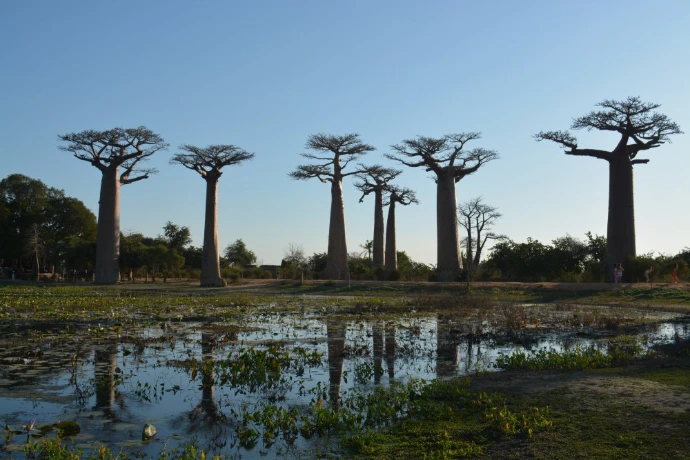
Baobabs
With six of the world’s eight species found only here, including the ancient Grandidier’s baobabs of the Avenue of the Baobabs.
Best places to see Lemurs
Madagascar lemur tours
Seeing lemurs in the wild is the reason many travelers visit Madagascar, and each region has its own lemur species. With dozens of lemur species across the island, our lemur tours are built around the best parks and reserves to see them.
The indri
in Andasibe-Mantadia National Park, where its call carries across the rainforest.
Mouse lemurs and other nocturnal species
on a night walk in the forest of Mitsinjo, near Andasibe.
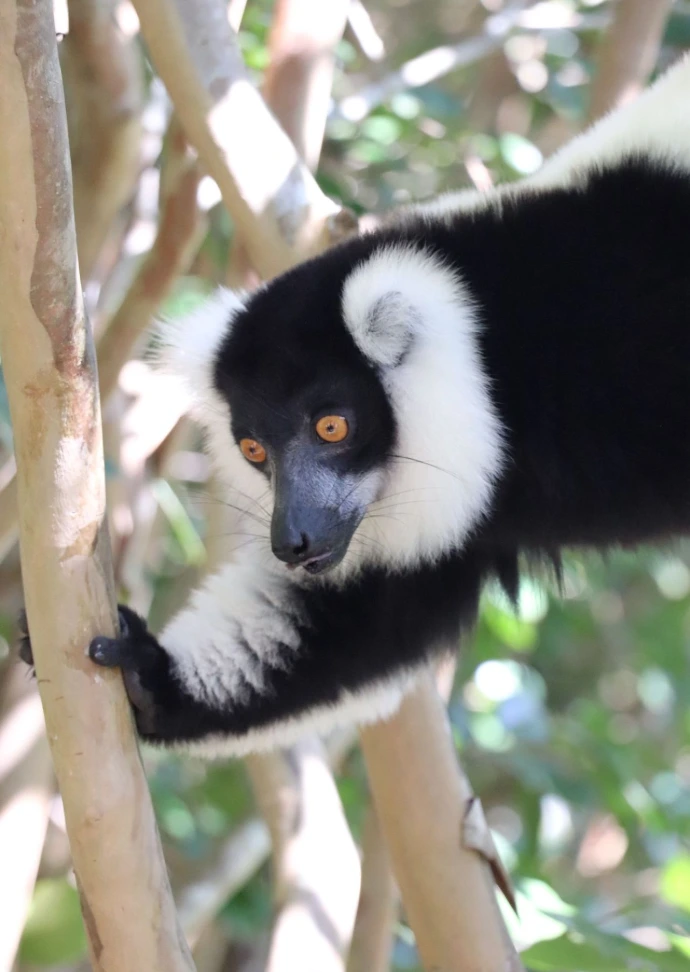
The black-and-white ruffed lemur
in the Vakona reserve.
The aye-aye
the most mysterious lemur of all, on an evening outing at the Palmarium Reserve.
The golden bamboo lemur
in Ranomafana National Park, a UNESCO World Heritage site. It feeds on bamboo shoots that contain cyanide.
Ring-tailed lemurs
at Anja Reserve, protected by the locals themselves.
Two itineraries
Our wildlife tours
Two itineraries, built around the best places to see Madagascar’s wildlife: the forests and waterways of the east, and the highlands and the dry south. Plan your trip around the animals you most want to see.
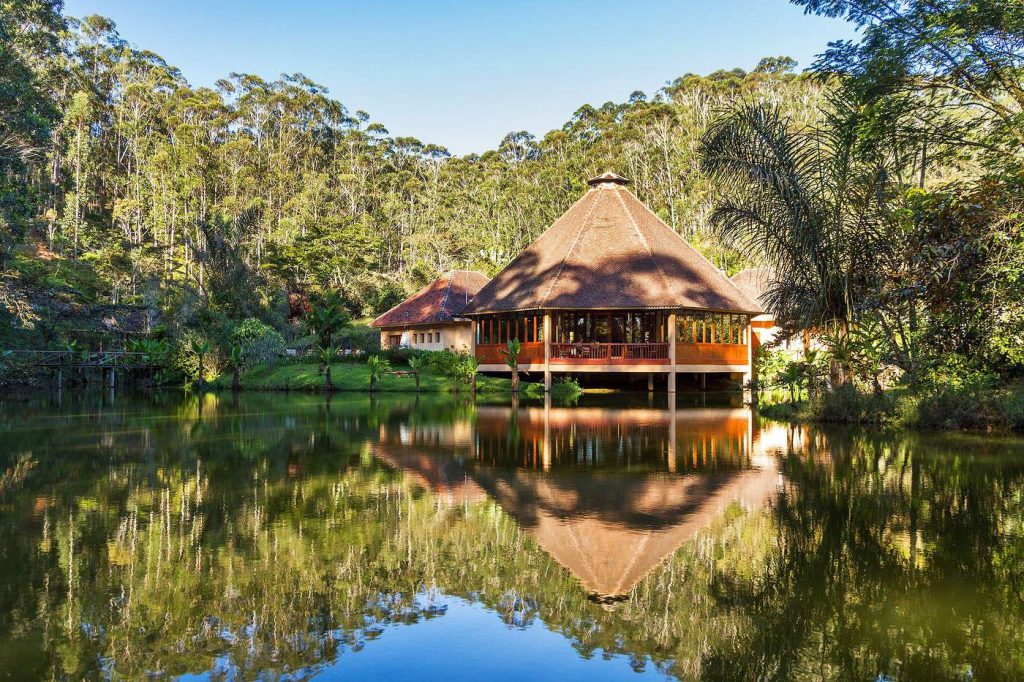
The Treasures of the East — 11 days
11 days Private tour for 1 to 16 travelers All ages
Lemurs, chameleons and whales: the forests of Andasibe, the Pangalanes Canal and the islands of the Indian Ocean, with two evening wildlife outings.
Our team meets you at the airport and drives you to your hotel in the capital, where your wildlife adventure begins.
On the way, a stop at the Peyrieras reserve brings you face to face with chameleons, geckos and colorful endemic frogs. After dark, a local guide leads you through the forest of Mitsinjo in search of mouse lemurs, the smallest primates on the island.
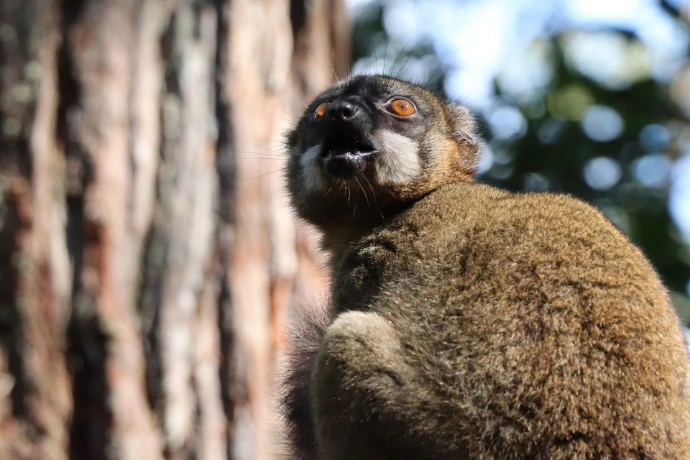
A morning in Analamazaotra, part of Andasibe-Mantadia National Park and the stronghold of the indri, the largest living lemur, whose haunting call echoes through the trees. In the afternoon, the Vakona reserve is home to black-and-white ruffed lemurs, bamboo lemurs and brown lemurs.
The road crosses evergreen forest and villages lined with traveler’s trees, a palm-like plant found only in Madagascar. You reach Manambato, on the shore of Lake Ampitabe, separated from the Indian Ocean by a thin strip of land.
A boat takes you to Ankanin’ny Nofy and the Palmarium Reserve, a former botanical garden where lemurs roam freely among palms, orchids, carnivorous plants and tortoises. In the evening, a guided outing gives you the chance to see the aye-aye in its natural habitat.
An early boat ride along the Pangalanes Canal, where fishermen live at a timeless pace, takes you to Tamatave. A short drive north brings you to Mahambo, on the coast of the Betsimisaraka people.
A motorboat crossing to Île Sainte-Marie, an island of white beaches and turquoise water.
A day spending time on the island: explore its landscapes and coastal forests, or simply enjoy the beach.
From July to September, humpback whales come to the waters around the island with their calves, and a whale-watching outing is the highlight of these two days. The rest of the year, explore Île aux Nattes or the north of the island.
A domestic flight back to the capital, with free time to shop for souvenirs or relax.
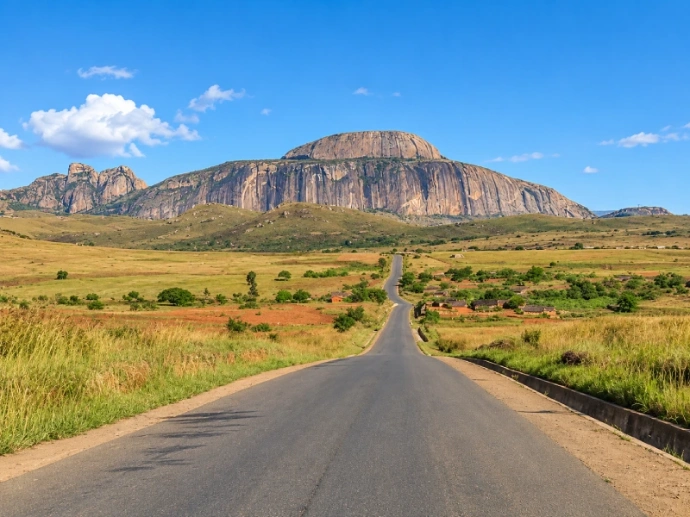
Exploring the RN7 Route — 13 days
13 days Private tour for 2 to 32 travelers All ages Year round
The classic road trip across the highlands, with the best lemur sites along the way, a strong dose of Malagasy culture and a few days by the sea to finish.
A warm welcome at the airport and a transfer to your hotel, ready for the journey ahead.
West of the capital, the volcanic region around Lake Itasy reveals the Lily Falls and the geysers of Analavory, fed by mineral-rich water.
On to Antsirabe, a spa town of the highlands, best explored on a rickshaw ride through its streets.
The road drops from the highlands through the rice terraces of the Betsileo into the humid forest, where the first calls of the canopy greet you at Ranomafana.
A full day in this UNESCO-listed forest, home to the golden bamboo lemur and several other lemur species, along with chameleons, frogs and endemic birds. Your local guide knows where each group feeds.
A gentle day to the tea estate of Sahambavy, the only one in Madagascar, with a walk through the plantation and a tasting.
Through Fianarantsoa to Ambalavao, known for its Antemoro paper and as the gateway to the Andringitra massif.
At Anja, families of ring-tailed lemurs sunbathe on the granite boulders, close enough for great photos, in a reserve created and managed by the local community. The drive continues across the vast Horombe plateau to Ranohira.
A hike through the sandstone canyons of Isalo, where ring-tailed lemurs and sifakas live in the green oases between the cliffs. A swim in a natural pool, then sunset through the Isalo Window.
The road passes sapphire mining towns and the spiny bush, dotted with endemic plants, before reaching the turquoise lagoon of Ifaty.
Time for the wildlife of the dry spiny forest: land tortoises, the birds of the baobab forest, and the chance to snorkel over the coral reef.
A stop at the Tulear shell market, then a flight back to the capital.
Two evening outings
Night walks: Madagascar after dark
Many of Madagascar’s animals are nocturnal, and night walks are an adventure in themselves. With a headlamp and a local guide, you discover mouse lemurs, sleeping chameleons, frogs and leaf-tailed geckos, endemic species you would never see by day, when many reptiles are most active. The Treasures of the East includes two evening outings: the forest of Mitsinjo and the aye-aye at the Palmarium.
01
The forest of Mitsinjo
02
The aye-aye at the Palmarium
A dream destination for birders
Birdwatching in Madagascar
Madagascar is a dream destination for birders from all over the world, with families and species found nowhere else. Our wildlife tours offer great birding along the way, and our two luxury tours are designed entirely around birds, with a dedicated birding guide.
Eastern rainforests
Scaly and Short-legged Ground-Rollers, Pollen’s and Crossley’s Vangas, Velvet Asity in Mantadia; Helmet Vanga and Madagascar Red Owl in Masoala.
Northwest
The critically endangered Madagascar Fish Eagle, White-breasted Mesite and Crested Ibis, seen by boat on Moramba Bay near Anjajavy.
North
The Amber Mountain Rock-Thrush, found only on Amber Mountain, a national park known for its waterfalls and chameleons.
Southwest
Appert’s Tetraka, found only in Zombitse forest, and Benson’s Rock-Thrush in Isalo.
Madagascar wildlife destinations
Where our wildlife tours go
| Region | Highlights | Tour |
| East (Rainforest) | Indri, mouse lemurs, chameleons and frogs in Andasibe-Mantadia; primary rainforest of Masoala; Île Sainte-Marie. |
|
| Highlands & South | Golden bamboo lemur in Ranomafana, ring-tailed lemurs at Anja and Berenty, dancing sifakas, canyons of Isalo, Zombitse forest. |
|
| West | Two-day adventure by dugout canoe on the Tsiribihina River, Tsingy de Bemaraha (UNESCO World Heritage site), Avenue of the Baobabs. | Natural Wonders |
| North & Northwest | Anjajavy reserve, Ankarana tsingy and bat caves, Amber Mountain, snorkeling with turtles around Nosy Be. | Northern Treasures |
Every trip to Madagascar with us starts in Antananarivo, the capital, and both wildlife tours end with time on the coast. For the Tsingy de Bemaraha, a UNESCO World Heritage site, and the Avenue of the Baobabs with its ancient Grandidier’s baobabs, see Natural Wonders of Madagascar on our eco tours page.
A trained eye
Our naturalist guides
Spotting a leaf-tailed gecko on a tree trunk takes a trained eye. Our wildlife tours are led by guides who have spent years in the country’s parks, and both speak English.
Inside protected areas, you’ll also walk with licensed local guides, as the rules require. Their knowledge of each trail and site is invaluable, and your entrance fees support conservation, Malagasy culture and the villages around each reserve.
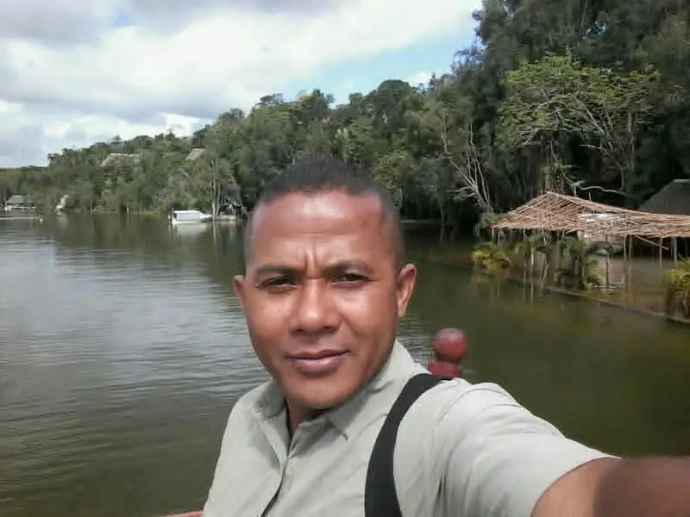
Alain Rakotonoely
Ecotourism expert specializing in Madagascar’s flora and fauna.
Fluent English
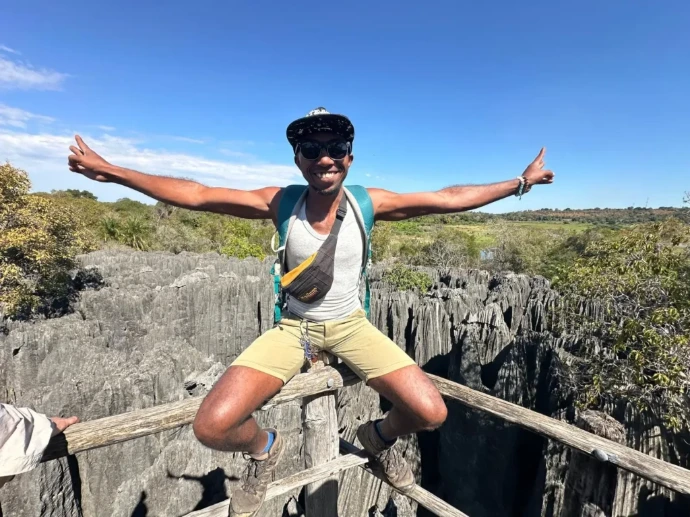
Doré Ramananjoarivelo
National guide since 2019, specializing in birds and reptiles.
Bilingual English/French
A moderate level of activity
What to expect on the trails
Our wildlife tours involve a moderate level of activity. Most guided walks last 2 to 4 hours, on rainforest paths that can be muddy and slippery. Some hikes are more demanding, like the canyon trails of Isalo, while shorter walks still offer rewarding sightings and suit the whole family. A reasonable level of fitness, good walking shoes and rain gear are all you need.
2–4
hours for most guided walks
Close to the wildlife
Where you’ll stay
We choose accommodations close to the wildlife, so you can be on the trails early: lodges in the forest, charming hotels along the way and beach hotels to relax between wildlife stops. All accommodations are chosen for their comfort and their location.
Lodges in the forest Charming hotels along the way Beach hotels
Wildlife can be seen all year
When is the best time for a wildlife tour?
Wildlife can be seen all year, and Exploring the RN7 Route runs year-round. The shoulder months of April–May and October–November offer some of the best wildlife viewing, outside the peak season of July and August. September to November is a favorite: the dry season is ending, many lemurs have young and birds start nesting. Humpback whales pass the east coast from July to September, while January to March, the wettest months, are best avoided.
Apr–May · Oct–Nov
Shoulder months
Some of the best wildlife viewing.
Jul – Aug
Peak season
Sep – Nov
A favorite
Many lemurs have young and birds start nesting.
Jul – Sep
Humpback whales
Humpback whales pass the east coast.
Jan – Mar
The wettest months
Best avoided.
Better, more natural sightings
Responsible wildlife viewing
We keep a respectful distance, never feed or handle animals and follow park rules. It protects the wildlife, supports conservation and makes for better, more natural sightings.
A respectful distance
Never feed or handle animals
Follow park rules
Wildlife tour FAQ
Another question? Write to our team
Andasibe-Mantadia National Park, a few hours’ drive east of Antananarivo, is the best place to see the indri and join a night walk. Ranomafana National Park is home to the golden bamboo lemur, while Anja and Berenty reserves are ideal for ring-tailed lemurs and dancing sifakas.
September to November is often considered the best period: many lemurs have young, birds are nesting and the weather is dry. The shoulder months of May and October are also excellent.
No. In national parks, touching or feeding lemurs, like any wild primates, is not allowed, and we follow the same rule everywhere to protect their health and natural behavior. Your guide will help you get close enough for great sightings and photos.
The evening outing at the Palmarium Reserve, on The Treasures of the East, offers one of the best chances to see this rare nocturnal lemur. As with any wild animal, sightings can never be guaranteed.
Binoculars make a real difference for birds and lemurs high in the canopy, and a headlamp is essential for night walks. Add good walking shoes, rain gear and insect repellent.
Yes. Both wildlife tours are open to all ages, and short walks and night outings are often a highlight for kids. We adapt the pace and the length of the walks to your family.
Traveler reviews on TripAdvisor
What our travelers say
“
A very reliable agency. From day one, a warm welcome and real flexibility when transport issues came up. Our guide Alain looked after us with genuine care.
Read more reviews from our travelers on our TripAdvisor page.
Your turn
Plan your Madagascar wildlife tour
Like all our Madagascar tours, your wildlife tour is fully private. Tell us which animals you dream of seeing, your dates and your budget. We’ll plan your journey around the right parks and the right season and send you a detailed quote. Prefer to talk first? Contact us.