Madagascar eco tours
Our Madagascar eco tours let you travel responsibly, meet the people behind the landscapes and support the communities you visit. Every tour is private, led by local guides and designed to leave something good behind.
20+ years
of local expertise
100% Madagascar-based team
Responsible & sustainable travel
Experienced private driver-guides
On-the-ground
knowledge
Traveler reviews on TripAdvisor
Nature worth protecting
Why choose an eco tour in Madagascar?
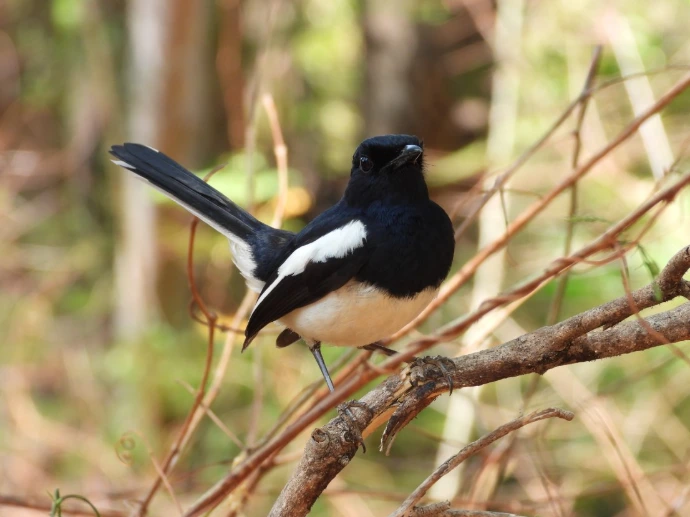
Madagascar is one of the most remarkable places in the world for nature, from its rainforest to its dry and spiny forests. More than 80% of its wildlife is endemic, close to half of the world’s chameleon species live on the island, and dozens of lemur species are found nowhere else on Earth. Its forests are also fragile, and deforestation remains a real threat.
Responsible travel helps. When a visit brings income to a village, a community reserve or a national park, protecting the forest becomes more valuable than clearing the land, and well-managed ecotourism helps reduce deforestation, illegal logging and hunting. That’s the idea behind every one of our eco tours: you experience Madagascar’s unique fauna and culture, and your trip supports the people who protect them.
Not a label, a series of choices
What makes our eco tours different
Ecotourism in Madagascar is not a label. It’s a series of choices: who guides you, where you stay, what you visit and where your money goes. As a local operator, we make those choices with communities we have worked with for more than 20 years.
Who guides you
Where you stay
What you visit
Where your money goes
Two ways to travel responsibly
Our eco tours
Both tours can be adapted to your dates, combined with a beach stay or turned into a longer trip.
Natural Wonders of Madagascar — 11 days
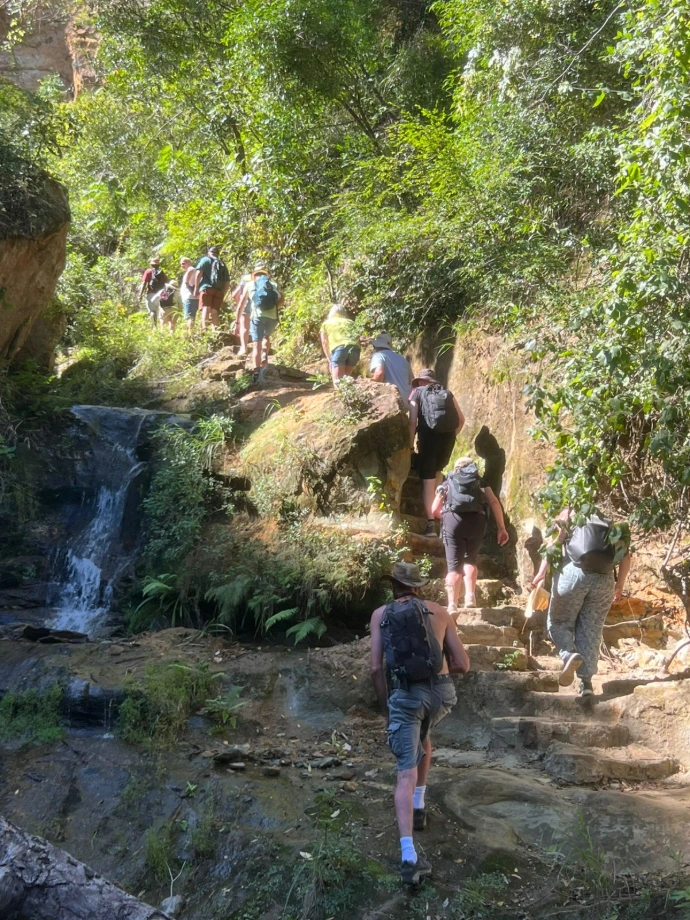
From rainforest to limestone forest, an adventure through the west of Madagascar with park visits, hiking, canoeing and night outings.
11 daysPrivate, 2 to 16 travelersMarch to OctoberAll ages
We welcome you at the airport and take you to your hotel. This first contact with the Malagasy capital marks the beginning of your adventure.
On the way to Andasibe, visit the Peyrieras Reserve. In the evening, a night walk in the rainforest of Mitsinjo reveals mouse lemurs, chameleons and frogs in a forest teeming with biodiversity.
Spend the morning in Analamazaotra National Park to see the indri and other lemurs near the waterfalls. In the afternoon, visit the Vakona reserve or choose a more active hike in the Mantadia forest.
A scenic drive through the Central Highlands, past rice paddies, villages and traditional farming scenes, to the town of Antsirabe.
The road continues west to Miandrivazo, known as the hottest town in Madagascar and the starting point for the descent of the Tsiribihina River.
Travel by dugout canoe, the traditional pirogue, on the Tsiribihina River. Along the way, discover changing landscapes, wildlife and riverside villages, with a night at camp under the stars.
Continue downstream, following the river as it winds through the landscape, to Bekopaka, the gateway to Tsingy de Bemaraha National Park.
A full day in the Tsingy de Bemaraha, a UNESCO World Heritage site. Walk among limestone needles rising toward the sky, where unique plants and animals thrive.
The adventure continues through wild, authentic landscapes to Morondava. In the late afternoon, watch the sun set over the Avenue of the Baobabs, where these ancient giants stand against a glowing sky.
Transfer to Morondava airport for a domestic flight back to Antananarivo. Check in at your hotel, with free time for souvenir shopping or to relax.
Exploring the RN7 Route — 13 days
Madagascar’s classic road trip from the highlands to the sea, seen through the people who live along the way. This is our stage-by-stage overview; the full day-by-day itinerary is on our Wildlife tours page.
13 daysPrivate, 2 to 32 travelersYear roundAll ages
Your journey starts in Antananarivo, then heads west through farming villages and cultivated fields to Ampefy, where the Lily Falls and natural geysers show the volcanic side of the island. In Antsirabe, a rickshaw ride through town is the best way to feel the local rhythm and support the drivers who make a living from it.
The road winds down through the terraced rice fields of the Betsileo, farmers who have shaped these hills for generations. In Ranomafana, a protected rainforest, local guides lead you on foot to spot the golden bamboo lemur and rare birds. Your entrance fee helps fund the park and the villages around it.
Time slows down in Sahambavy, home to Madagascar’s only tea estate, where you walk the fields and taste the harvest. In Ambalavao, artisans still make Antemoro paper by hand with flower petals, a craft passed down for centuries. Buying directly from them is one of the simplest ways to support local know-how.
At Anja, villagers created their own reserve to protect families of ring-tailed lemurs. Their initiative shows how tourism can give a community a reason to protect wildlife, and your visit helps keep it going. The road then opens onto the wide plains of the south.
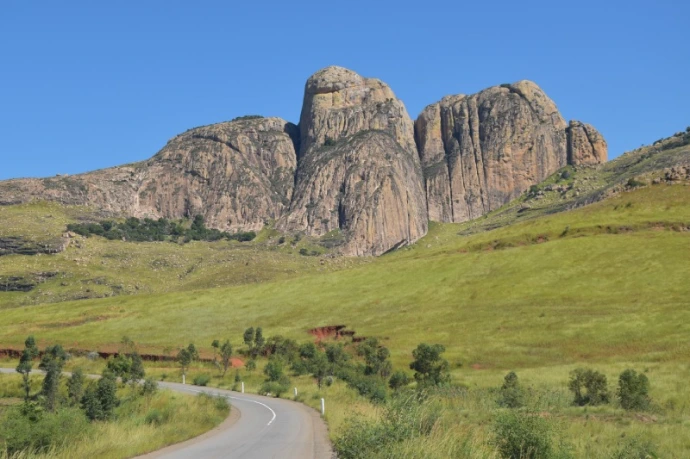
A day of hiking through the sandstone canyons and green oases of the Isalo massif, with a swim in natural pools and sunset through the famous Isalo Window. Walking keeps your footprint light and lets you experience the landscape at its own pace.
On the way south, sapphire mining villages and Mahafaly funeral art tell the story of the region’s people. In Ifaty, two days by the turquoise lagoon are dedicated to Vezo culture: a seafaring community living from the reef, with time to visit the baobab forest and see land tortoises. A final stop at the Tulear shell market, then a flight back to Antananarivo ends the adventure.
Following the rythm of nature
A day on one of our eco tours
Most days follow the rhythm of nature. Wildlife is most active early, so mornings often start with a guided walk on foot in a national park, when birds and lemurs are easiest to spot. Afternoons leave time for village visits, local crafts or simply to relax, and some evenings end with a night walk to find chameleons and nocturnal lemur species. Time on the road is part of the journey too: your guide stops wherever there is something worth seeing. We leave enough time in each place to experience it properly in Madagascar, rather than rushing from one sight to the next, and on the Tsiribihina, evenings end at camp by the river.
Morning
Wildlife is most active early, so mornings often start with a guided walk on foot in a national park, when birds and lemurs are easiest to spot.
Afternoon
Afternoons leave time for village visits, local crafts or simply to relax.
Evening
Some evenings end with a night walk to find chameleons and nocturnal lemur species, and on the Tsiribihina, evenings end at camp by the river.
On the road
Time on the road is part of the journey too: your guide stops wherever there is something worth seeing.
Local guides in every region
Your trip creates income for the people who know each place best.
Our commitments
Sustainable travel, in practice
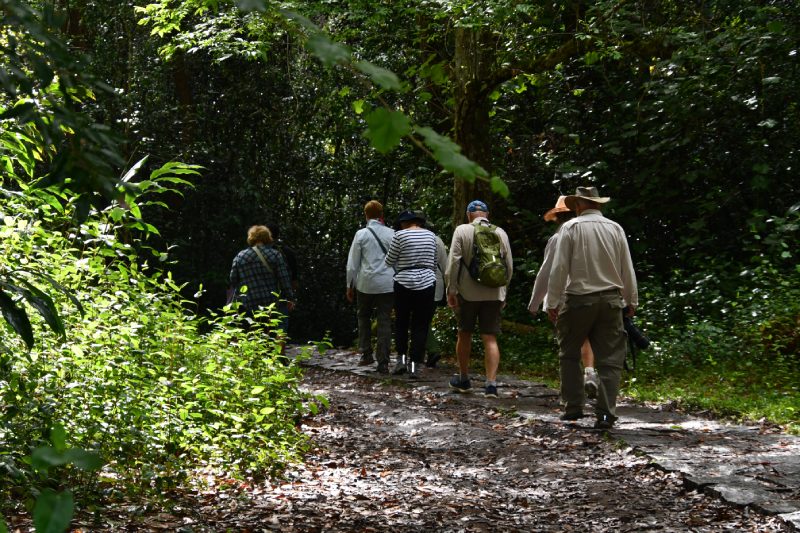
Community-run reserves
At Anja Reserve, villagers protect the ring-tailed lemurs themselves, and your visit supports their work.
Local crafts and know-how
Antemoro paper, wild silk, tea from Sahambavy: your purchases go directly to local artisans.
Park fees that protect nature
National park entrance fees help fund conservation and the communities around each area.
Respect for wildlife
We keep our distance and never feed or handle animals.
Education, built in
Every booking contributes to École Soa Natao.
Where you'll stay
Eco lodges in Madagascar
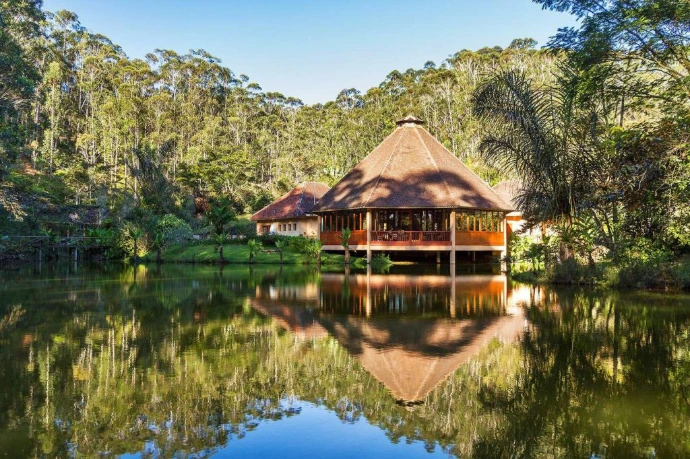
Where the route allows, we choose eco lodges and charming family-run places located close to the parks, so you wake up to the sounds of the forest and your stay supports the local economy. Many are surrounded by nature, in remote areas that are only accessible by road or boat, and offer a simple combination of comfort and calm. Each lodge is chosen for where it is located and the experience it offers.
For a more exclusive experience, our luxury tours include:
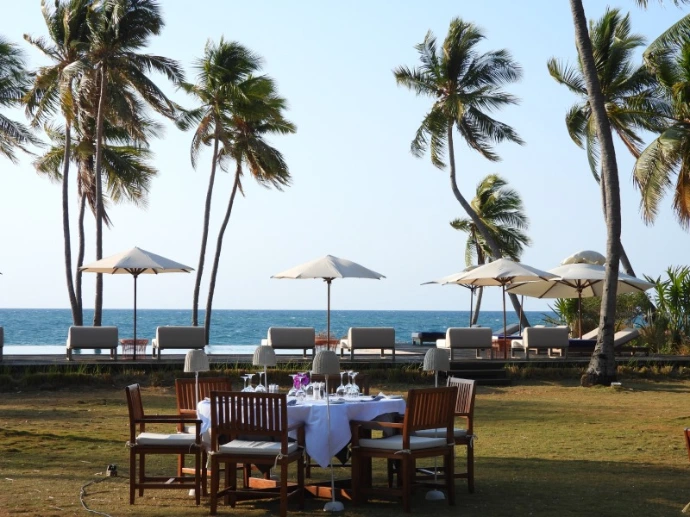
Private reserve
Anjajavy Le Domaine
A Relais & Châteaux eco-lodge in a private reserve.
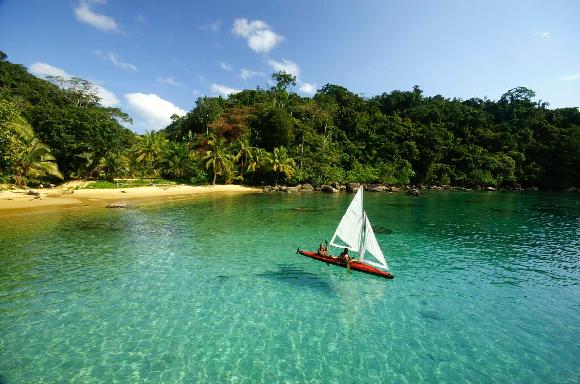
Forest & marine park
Masoala National Park
A luxury eco-lodge surrounded by the forest and marine ecosystems of the park, with sea kayaking among the activities on offer.
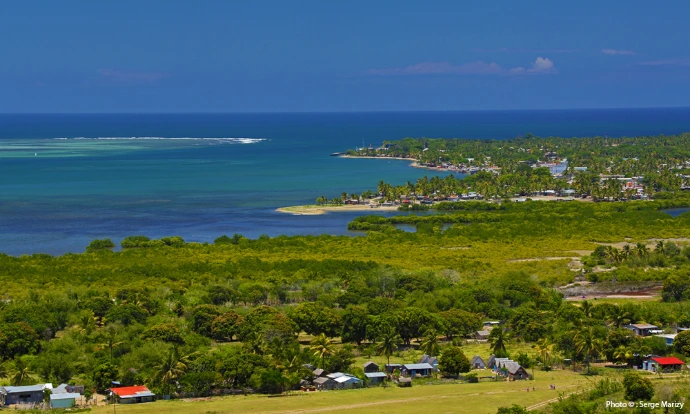
Beachfront
Manafiafy
A beachfront eco-lodge on the coast.
18 ethnic groups, one island
Village encounters and local culture
Madagascar is home to 18 ethnic groups, each with its own traditions. Along our eco tours, you meet the Betsileo rice farmers of the highlands, the Bara herders of the south, the Vezo fishing communities of Ifaty and the riverside villages of the Tsiribihina. Our guides explain local customs and taboos, called fady, and make room for these encounters without turning them into a show.
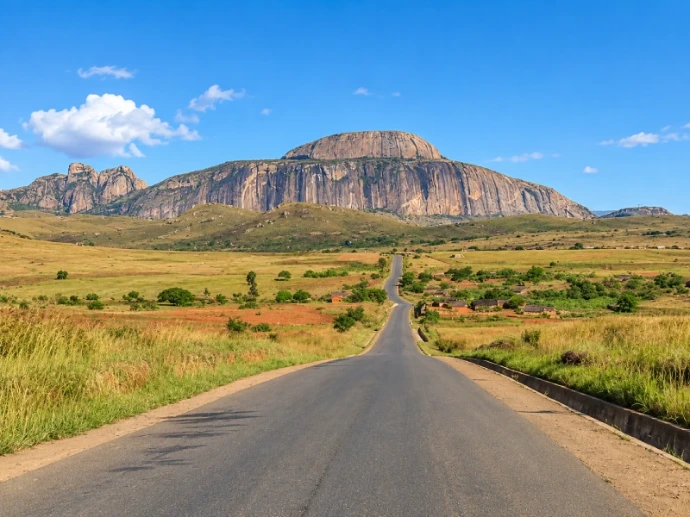
The highlands
Betsileo rice farmers
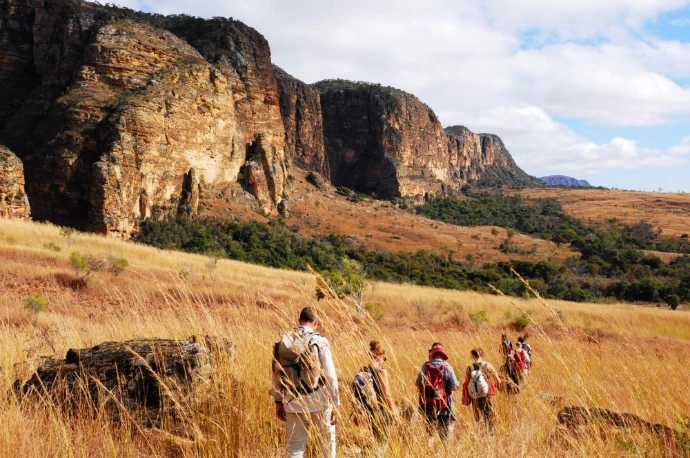
The south
Bara herders
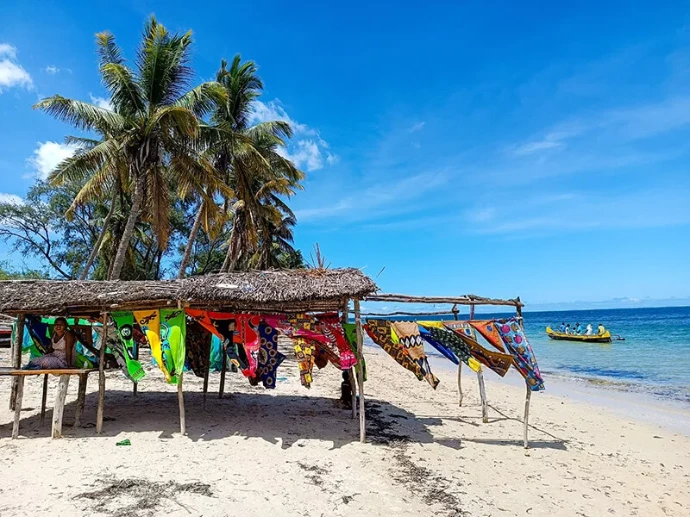
Ifaty
Vezo fishing communities
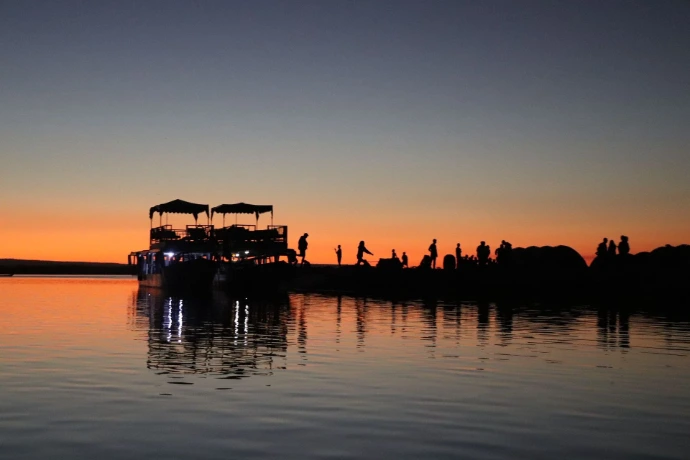
The Tsiribihina
Riverside villages
Our guides explain local customs and taboos, called fady, and make room for these encounters without turning them into a show.

Since 2011
Supporting École Soa Natao
Since 2011, École Soa Natao has welcomed primary and middle school students in Manakanda. Every booking includes a contribution that helps fund school meals, supplies, teacher salaries and classroom improvements.

01
School meals
02
Supplies
03
Teacher salaries
04
Classroom improvements
Seasons
When to go
The dry season, from April to November, is the best time for an eco tour in Madagascar. June to September is cooler and dry, July and August are the busiest months, so give yourself time to book, and September is a favorite for birds and lemurs with young. Natural Wonders of Madagascar runs from March to October, while Exploring the RN7 Route runs all year.
Apr – Nov
Dry season
The best time for an eco tour in Madagascar.
Jul – Sep
Cooler and dry
The coolest months of the dry season.
Jul - Aug
Lemurs and birds
Give yourself time to book.
September
A favorite
For birds and lemurs with young.
Yes. Both tours are open to all ages, and we adapt the pace, the walks and the activities to children, so the whole family can discover Madagascar together.
Your private vehicle and driver-guide, local park guides, accommodation and the activities in your itinerary. Everything included is clearly listed in your quote before you book.
Through local guides, community-run reserves, purchases from local artisans, national park fees and a contribution to École Soa Natao, more of what you spend stays in the regions you visit.
No. An eco tour is about how and where you travel, not about giving up comfort. We choose charming lodges and hotels close to the parks, with simpler options only in the most remote areas.
Anja is a reserve created by local villagers to protect families of ring-tailed lemurs. Visitors’ entrance fees support the community’s work, which is why it’s part of Exploring the RN7 Route.
Walk with local guides, buy crafts directly from artisans, respect local taboos called fady, keep your distance from wildlife and limit single-use plastic. Your guide will share more simple habits along the way.
Your turn
Plan your responsible trip
Tell us what matters to you: wildlife, birds, villages, hiking, community reserves. We’ll design a responsible itinerary in Madagascar around it and send you a detailed quote. Prefer to talk first? Contact us.